
Maharashtra
BMC Revives Mumbadevi Temple Redevelopment With ₹88 Crore
Sat Jul 04 2026
Mumbai's Historic Mumbadevi Temple Precinct Set for Modern Makeover With Better Facilities for Devotees
The Brihanmumbai Municipal Corporation (BMC) has restarted the long-awaited redevelopment of the historic Mumbadevi Temple precinct with a revised project worth ₹88 crore (around $10 million). The civic body has issued a fresh tender after removing the previously proposed robotic parking tower, which had faced strong public opposition.
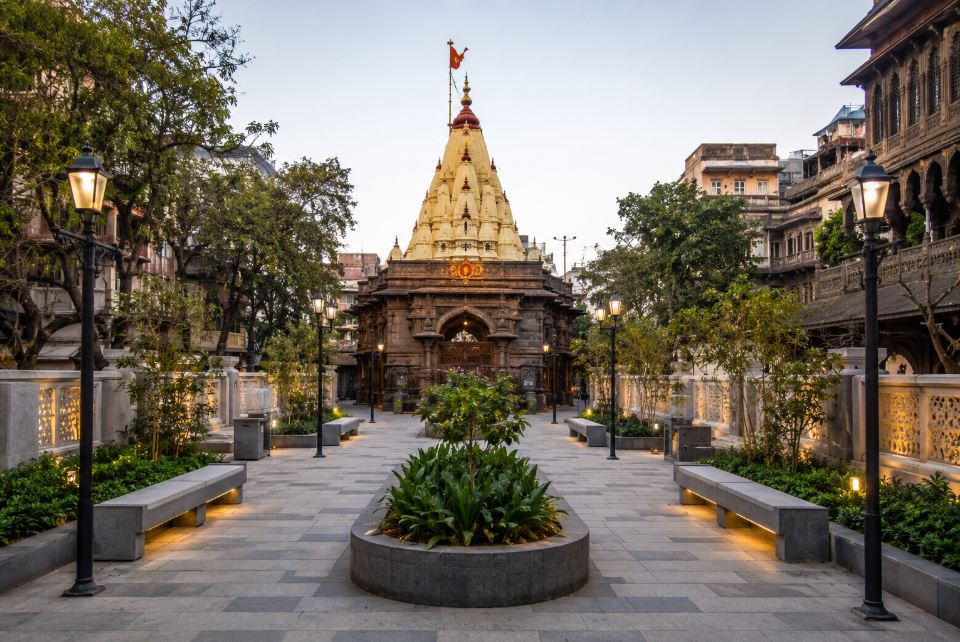
The updated redevelopment plan will focus on improving the temple surroundings through beautification, better pedestrian movement, modern public facilities, and enhanced safety measures. The project aims to provide a more comfortable and organized experience for the thousands of devotees and tourists who visit the temple every year.
Fresh Tender Issued After Nearly Two-Year Delay
The redevelopment project had remained on hold for almost two years after concerns were raised over the construction of a 17-storey robotic parking facility near the temple. Following extensive discussions and public feedback, the BMC decided to redesign the project without the controversial parking structure.
With the new tender now released, civic officials hope to begin work on transforming one of Mumbai's oldest religious landmarks into a cleaner, safer, and more accessible heritage destination.
Project Cost Reduced From ₹220 Crore to ₹88 Crore
One of the biggest changes in the revised proposal is the significant reduction in project cost.
The original redevelopment plan was estimated at ₹220 crore, but after removing the robotic parking component and redesigning the scope of work, the budget has been brought down to ₹88 crore.
The revised investment will now focus entirely on improving public infrastructure, heritage preservation, and visitor convenience instead of large-scale parking construction.
Better Facilities Planned for Devotees and Visitors
Spread across nearly 6,700 square meters, the redevelopment will cover three civic-owned plots surrounding the temple.
According to the revised proposal, the upgraded precinct will include:
- Wide pedestrian pathways
- Natural stone paving
- Landscaped green spaces
- Decorative lighting
- CCTV surveillance for improved security
- Clear directional signages
- Comfortable seating areas
- Public toilets
- Drinking water stations
- First-aid room
- Nursing room for mothers
- Senior citizen-friendly infrastructure
These improvements are expected to make temple visits easier, especially during weekends and major religious festivals when visitor numbers increase significantly.
Addressing Congestion Around a Historic Temple
The Mumbadevi Temple, dedicated to the city's presiding deity, is one of Mumbai's most important religious landmarks and is widely believed to have given the city its name.
During major festivals, thousands of devotees gather in the narrow lanes surrounding the temple. Limited public amenities and heavy pedestrian traffic often lead to overcrowding, making movement difficult and creating safety concerns.
The redevelopment has been designed to reduce congestion by improving pedestrian circulation while providing essential facilities that were previously lacking.
Robotic Parking Proposal Removed From Final Plan
The original redevelopment blueprint included a 546-vehicle robotic parking tower spread across 17 floors. However, the proposal faced criticism from local residents, heritage conservation groups, and community stakeholders, who expressed concerns about its impact on the historic character of the temple precinct.
Following the objections, the BMC decided to completely remove the parking structure from the project. The revised redevelopment now places greater emphasis on preserving the cultural identity of the area while improving the overall visitor experience.
Five-Year Maintenance Responsibility Included
Under the fresh tender conditions, the contractor selected for the redevelopment will also be responsible for operating and maintaining the upgraded precinct for five years after construction is completed.
This maintenance period is intended to ensure that public amenities, landscaping, lighting, pathways, and other facilities remain in good condition over the long term.
Heritage Conservation and Public Convenience Go Hand in Hand
Urban planners have increasingly emphasized the importance of balancing heritage preservation with modern infrastructure in India's historic city centers. The redesigned Mumbadevi Temple redevelopment reflects this approach by focusing on pedestrian-friendly public spaces instead of large commercial infrastructure.
Once completed, the upgraded precinct is expected to improve safety, accessibility, and comfort for devotees while preserving the historical and cultural significance of one of Mumbai's oldest temples.
The BMC's decision to revive the project with a simpler and more community-focused design marks an important step toward enhancing one of the city's most visited religious destinations while respecting its heritage value.