Maharashtra
Devendra Fadnavis Unveils ‘Third Mumbai’ Vision In Maharashtra Budget 2026; Massive Metro Expansion Planned
Fri Mar 06 2026
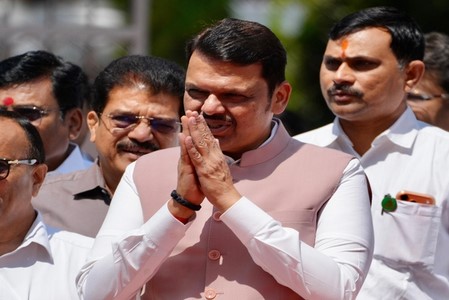
Maharashtra is preparing for a major urban transformation as Chief Minister Devendra Fadnavis unveiled an ambitious development roadmap in the Maharashtra Budget 2026. The plan focuses heavily on strengthening urban infrastructure, expanding the metro network, and building new economic zones that could reshape the future of cities across the state.
While presenting the budget, Fadnavis said Maharashtra is entering a phase of rapid urbanisation. According to projections, nearly 70 percent of the state’s population could live in urban areas by 2047, with cities contributing close to 80 percent of Maharashtra’s GDP.
To prepare for this shift, the government has outlined large-scale investments in mobility, housing, and regional development, with Mumbai positioned at the centre of this transformation.
Massive Metro Expansion Across Maharashtra
One of the most significant announcements in the budget is the government’s long-term plan to expand the metro rail network across the state.
Authorities aim to build around 1,200 kilometres of Metro rail lines in the coming years to improve urban mobility and reduce congestion in growing cities.
For Mumbai, a key project highlighted in the budget is Mumbai Metro Line 11, which will connect Wadala to Gateway of India. The fully underground corridor is expected to cost nearly ₹23,487 crore and will significantly improve connectivity between South Mumbai and other parts of the city.
Officials believe the project will reduce travel time while easing pressure on Mumbai’s already crowded road network.
Expressway Network To Cross 6,000 Kilometres
Along with metro projects, the government is planning to expand Maharashtra’s expressway network to more than 6,000 kilometres.
The expansion aims to strengthen regional connectivity and make travel between major economic centres faster and more efficient. Improved road infrastructure is expected to support logistics, trade, and tourism across the state.
‘Third Mumbai’ Urban Development Plan
Another major highlight of the budget is the proposal to develop a new urban cluster known as “Third Mumbai.”
The project will cover nearly 200 square kilometres near the Mumbai Trans Harbour Link (Atal Setu) and include areas such as Kushmanda and Sai-Chirner.
The idea behind the project is to create a new urban centre that can absorb future population growth and reduce pressure on existing parts of Mumbai and Navi Mumbai.
The development is expected to integrate with major infrastructure initiatives in the region, including the proposed Vadhavan Port, which could become one of the country’s largest ports.
Officials estimate that the port project alone could generate over 12 lakh jobs, potentially turning the surrounding region into a major economic hub.
Housing Push And Slum Redevelopment
Housing also received significant attention in the budget announcements. The government plans to introduce a “No New Slum Framework” aimed at addressing housing shortages in the Mumbai Metropolitan Region.
Under this initiative, authorities plan to redevelop nearly 20 lakh slum homes while also building 10 lakh affordable housing units in the region.
Looking further ahead, the state aims to develop 6 to 7 million affordable homes across Maharashtra by 2047, ensuring housing access for a rapidly growing urban population.
Cluster redevelopment of old housing layouts is also being encouraged to improve infrastructure and living conditions in densely populated neighbourhoods.
New Regional Authorities For Urban Growth
To manage future expansion effectively, the government has proposed the creation of more than 10 empowered regional development authorities across Maharashtra.
These institutions will function similarly to the Mumbai Metropolitan Region Development Authority but will have greater administrative and financial autonomy.
New development authorities are expected to be set up in regions such as Nashik, Chhatrapati Sambhajinagar, and the Solapur–Latur region, which will be developed as “City Economic Regions.”
The goal is to create multiple growth centres instead of concentrating economic activity in a few major cities.
Technology To Power Future Cities
The Maharashtra government is also planning to use advanced technologies to improve city management.
One of the initiatives includes introducing AI-powered “Digital Twin” systems for major urban centres like Mumbai. These systems will allow authorities to simulate urban operations in real time, helping them manage traffic, water supply, and disaster response more efficiently.
Artificial Intelligence and Machine Learning will also be integrated into the AutoDCR building approval system, which could significantly speed up building plan approvals and compliance processes.
Building The Cities Of The Future
Through these wide-ranging initiatives, the Maharashtra government is aiming to transform its cities into globally competitive urban centres.
With new transport infrastructure, affordable housing programmes, and technology-driven governance systems, the state hopes to build a modern urban ecosystem capable of supporting economic growth for decades to come.