
Maharashtra
Fadnavis Reviews Delhi-Mumbai Expressway Maharashtra Progress
Mon Jun 29 2026
₹1 Lakh Crore Expressway to Cut Travel Time, Boost Trade, and Improve Connectivity Across India
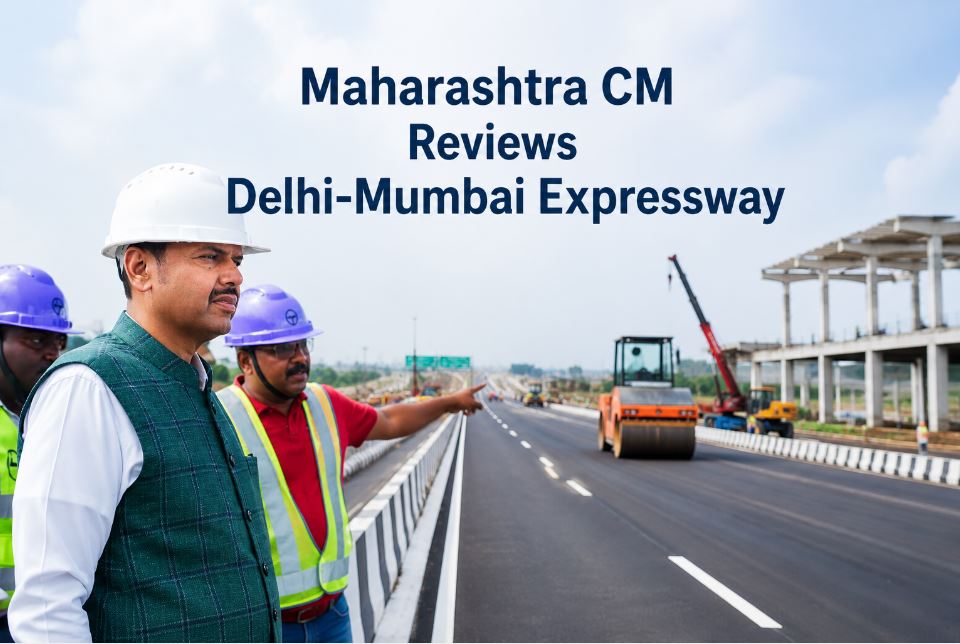
Mumbai: Maharashtra Chief Minister Devendra Fadnavis has reviewed the progress of the Vadodara-Mumbai section of the Delhi-Mumbai Expressway and directed officials to complete the remaining work on schedule while maintaining high construction quality. The Maharashtra section of the expressway is expected to open for traffic by August 31, 2026, marking a major step in one of India's biggest highway infrastructure projects.
The Delhi-Mumbai Expressway is being developed by the Government of India at an estimated cost of nearly ₹1 lakh crore. Stretching around 1,400 kilometers, the eight-lane access-controlled Greenfield expressway will connect Delhi and Mumbai through Haryana, Rajasthan, Madhya Pradesh, Gujarat, and Maharashtra. Once fully operational, the expressway will significantly reduce travel time while improving connectivity between major industrial and commercial regions.
CM Reviews Vadodara-Mumbai Expressway Work
During his visit, Chief Minister Devendra Fadnavis inspected the ongoing construction work on the Vadodara-Mumbai section and held a detailed review meeting with senior officials. He instructed the project agencies to maintain strict quality standards and ensure that the remaining construction work is completed within the planned timeline.
Fadnavis said the expressway is a transformational infrastructure project that will strengthen India's transportation network and support long-term economic growth.
Maharashtra Stretch Nears Completion
The Maharashtra section of the Vadodara-Mumbai corridor covers approximately 157 kilometers and is being built at an estimated cost of ₹24,000 crore. The project has been divided into seven construction packages.
According to officials, five packages have already been completed and are ready for traffic, while work on the remaining two packages is progressing steadily. The state government expects the full Maharashtra stretch to become operational by August 31, 2026.
Travel Time Between Vadodara and Mumbai to Be Cut in Half
After the expressway opens, travel time between Vadodara and Mumbai is expected to reduce from nearly eight hours to around four hours. The new highway will provide a faster, safer, and smoother travel experience for both passenger and commercial vehicles.
The expressway is also expected to reduce traffic congestion on key routes, including Thane, Bhiwandi, and Ghodbunder, resulting in lower fuel consumption, shorter travel times, and improved road safety.
Direct Connectivity to JNPA to Strengthen Logistics
One of the biggest advantages of the project is its direct connection to the Jawaharlal Nehru Port Authority (JNPA), India's largest container port. The improved highway network will allow faster movement of cargo from northern India to the port, reducing logistics costs and improving supply chain efficiency.
The enhanced freight connectivity is expected to benefit exporters, manufacturers, and transport operators by making cargo movement quicker and more cost-effective.
Expressway to Drive Industrial Growth and Investment
Chief Minister Devendra Fadnavis said the Delhi-Mumbai Expressway will strengthen links between the industrial regions of northern and western India and Mumbai's port infrastructure. Better road connectivity is expected to attract new investments, support industrial expansion, promote exports, and generate employment opportunities across the region.
He described the expressway as one of India's most important infrastructure projects that will play a vital role in improving economic competitiveness and supporting future development.
A Major Milestone for India's Infrastructure
With the Maharashtra section scheduled to open by the end of August 2026, the Delhi-Mumbai Expressway is moving closer to full completion. The project is expected to transform road travel between India's political and financial capitals while delivering long-term benefits through faster transportation, stronger logistics, reduced operating costs, and increased economic activity across multiple states.