
Maharashtra
IAS Sanjeev Jaiswal’s Next Big Move: MHADA Budget Set to Cross ₹16,000 Crore Mark
Mon Apr 13 2026
Mumbai: In a significant step towards strengthening urban infrastructure and emergency response systems, the Brihanmumbai Municipal Corporation (BMC) and the Mumbai Metropolitan Region Development Authority (MMRDA) are set to develop four new helipads across the city over the next six years.
The initiative is part of a broader push to create a future-ready, multi-modal transport and emergency network, with a strong focus on disaster management and rapid medical response.
Strategic Locations Across Coastal Road And BKC
Out of the four planned helipads:
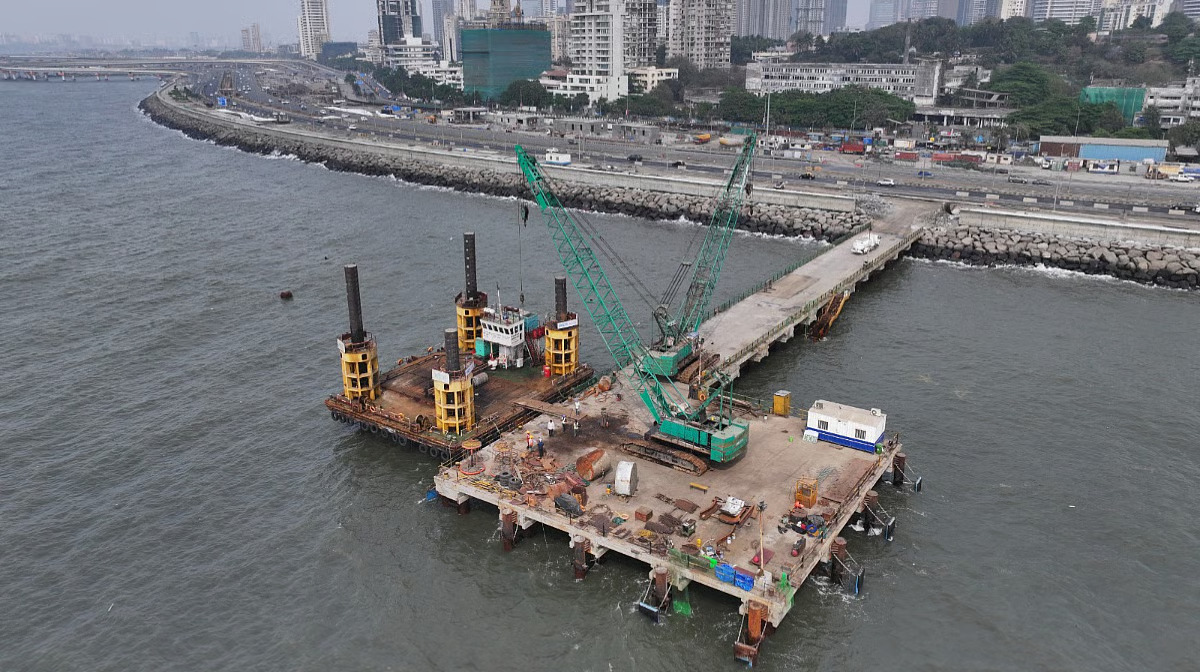
- Two will be developed along the Mumbai Coastal Road
- Two will be located in Bandra Kurla Complex (BKC)
The coastal helipads will be positioned at:
- Worli (southbound stretch)
- Kandivali (near Charkop, northbound stretch)
These locations have been carefully selected to ensure smooth helicopter movement from the sea side, avoiding interference from high-rise structures.
Focus On Emergency And Disaster Response
Officials have clarified that the helipads are not intended for regular commercial use, but will primarily support:
- Air ambulance services
- Emergency medical evacuations
- Disaster response operations
In a densely populated city like Mumbai, where road congestion can delay critical services, this infrastructure is expected to significantly reduce response time during emergencies.
Integration With Growing Infrastructure Network
The helipad project aligns with Mumbai’s rapidly expanding infrastructure ecosystem, including major connectivity upgrades and transport corridors.
By integrating aerial access with projects like the Coastal Road and other arterial links, authorities aim to create a seamless, multi-layered mobility network that supports both daily commuting and crisis situations.
Execution Through Public-Private Partnership
The projects will be executed under a public-private partnership (PPP) model, ensuring faster development and operational efficiency.
Notably, the contract for the Worli helipad has already been awarded to the Raymond Group, marking the beginning of on-ground execution.
Long-Term Vision For Urban Resilience
Urban planners view the initiative as a critical step towards building a resilient city framework, especially in the face of increasing climate risks and population density.
With Mumbai frequently facing challenges such as flooding and traffic congestion, the addition of aerial emergency infrastructure could prove vital in saving lives during critical situations.
Conclusion
The development of four helipads across key locations reflects Mumbai’s shift towards smart, integrated urban planning. While the project may take several years to complete, its long-term impact on emergency preparedness and connectivity could be transformative.
As the city continues to evolve, such initiatives highlight a growing emphasis on speed, accessibility, and resilience in urban infrastructure.