
Maharashtra
Maharashtra Begins Slum Act Audit to Speed Redevelopment
Mon Oct 12 2026
Maharashtra Begins Slum Act Audit to Speed Up Redevelopment and Improve Housing for Residents
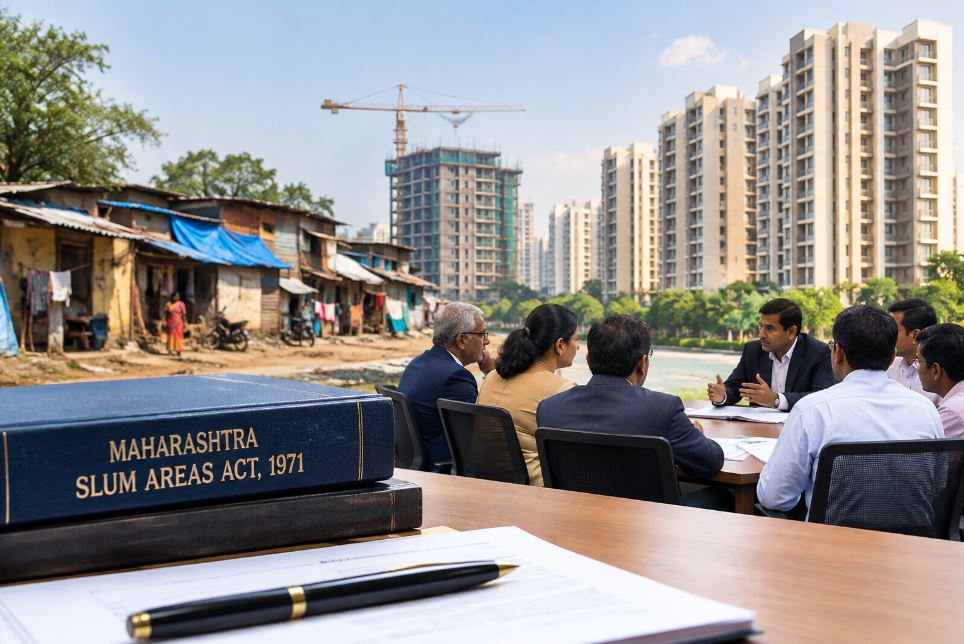
Maharashtra has started a detailed review of its Slum Act to improve redevelopment projects, speed up rehabilitation, and provide better living conditions for slum residents. An 11-member expert committee has held its first meeting and begun examining how the existing law can be improved to deliver better results.
Expert Committee Reviews 1971 Law to Recommend Policy Changes, Faster Rehabilitation, and Better Living Conditions for Slum Dwellers
The committee is reviewing the Maharashtra Slum Areas (Improvement, Clearance and Redevelopment) Act, 1971. Its work follows a directive from the Bombay High Court and aims to identify changes that could make the slum redevelopment process faster, more effective, and more beneficial for citizens.
Expert Committee Holds Its First Meeting
The committee met on Friday to discuss the implementation of the 1971 Act, future planning, and possible amendments. According to MLA Parag Alavni, who is a member of the panel, the meeting focused on identifying practical steps to speed up redevelopment and ensure that residents receive the intended benefits.
Alavni said the members presented suggestions to accelerate the process and help citizens benefit from redevelopment initiatives.
The state Housing Department formed the committee through a Government Resolution dated July 31. The panel has been given 10 months to complete its review and submit its findings and recommendations.
Maharashtra Focus on Faster Redevelopment and Better Rehabilitation
The committee will recommend policy and operational changes to improve the implementation of the Slum Act. Its main objectives include reducing delays in slum rehabilitation projects, improving housing and living conditions for residents, and supporting Maharashtra's broader goal of making cities slum-free.
The review will examine how the existing law works in practice and identify areas where changes could help resolve long-standing challenges in redevelopment projects.
The committee will also consider observations from the Bombay High Court and feedback from stakeholders involved in slum redevelopment, including developers, landowners, housing societies, and legal experts.
Senior Housing Officials to Lead the Review
The Additional Chief Secretary of the state Housing Department will lead the committee, while the Chief Executive Officer of the Slum Rehabilitation Authority (SRA), Mumbai, will serve as its member secretary.
The committee was established in compliance with directions issued by a special bench of the Bombay High Court on May 8, 2026, in a suo motu writ petition.
The review also follows observations made by the Supreme Court in the Yash Developers versus Harihar Kripa Co-operative Housing Society case regarding the large number of legal disputes arising under the Slum Act.
These legal observations have added importance to the committee's task of examining the law's performance and identifying measures that could reduce disputes and improve the redevelopment process.
SRA to Provide Technical and Administrative Support
To support the audit, the SRA chief executive officer has been directed to establish a dedicated sub-committee. It will include officials from the authority's engineering, cooperation, finance, land acquisition, and town planning departments.
The sub-committee will assist the expert panel by examining implementation issues and providing technical and administrative inputs. This support is expected to help the main committee assess the law from different operational perspectives.
Review Could Shape Future Slum Redevelopment Policies
With its first meeting completed, the expert committee has begun the process of evaluating the effectiveness of Maharashtra's 1971 Slum Act. Its recommendations could help the state identify practical improvements to redevelopment policies, rehabilitation procedures, and coordination among stakeholders.
The review is particularly important for slum residents awaiting improved housing and better living conditions. Any proposed amendments or administrative changes will depend on the committee's findings and the government's subsequent decisions.
Over the next 10 months, the panel will examine the law's implementation and recommend measures aimed at making slum redevelopment in Maharashtra more efficient, transparent, and beneficial for residents.