
Maharashtra
Maharashtra Govt May Bring Solar Power Under Electricity Duty Framework; Panel Formed For Policy Roadmap
Thu Apr 23 2026
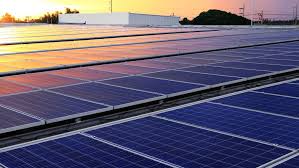
Mumbai: In a move that could significantly impact rooftop solar users, the Maharashtra government is considering bringing solar power under the electricity duty framework. A seven-member committee has been constituted to study the proposal and submit recommendations within a tight 10-day deadline.
The development comes at a time when rooftop solar installations have been gaining popularity among residential and commercial consumers as a cost-effective alternative to conventional electricity.
Push Follows Regulatory Nod For Grid Charges
The proposed policy shift follows a recent decision by the Maharashtra Electricity Regulatory Authority (MERC), which permitted the state-run Maharashtra State Electricity Distribution Company Limited to levy grid support charges on consumers using rooftop solar systems with a capacity exceeding 10 kW.
Building on this, the state government is now exploring a broader framework that could include electricity duty on solar power generation, even for self-consumption.
7-Member Panel To Frame Policy
The committee, led by Yogesh Gadkari, Director (Commercial) at MSEDCL, includes senior officials from the Energy Department and power distribution agencies.
Its key responsibilities include:
- Assessing applicability of electricity duty on rooftop solar systems
- Examining systems operating under net metering arrangements
- Designing mechanisms for grid support charges and duty collection
- Evaluating behind-the-meter (BTM) consumption models
The panel will also explore whether duty should be levied as a percentage-based charge instead of a fixed amount.
Impact On Consumers And Solar Adoption
If implemented, the move could alter the economics of rooftop solar systems, which are currently promoted as a cost-saving and eco-friendly solution.
Key concerns include:
- Increased cost burden for residential and commercial solar users
- Potential slowdown in solar adoption rates
- Reduced savings for consumers relying on self-generated electricity
At the same time, the government is expected to consider exemptions for certain consumer categories, balancing policy objectives with renewable energy goals.
Focus On State Revenue And Utility Health
The committee has also been tasked with analysing the financial implications of the proposal.
Officials will assess:
- Impact on state revenue, which heavily depends on electricity duties
- Financial health of MSEDCL, which faces revenue pressures due to reduced grid consumption
- Long-term sustainability of the power distribution ecosystem
Notably, taxes and duties contributed over ₹17,500 crore to the state’s revenue in the last financial year.
Balancing Green Energy With Fiscal Needs
The proposed move highlights a growing policy dilemma—how to promote renewable energy while maintaining the financial stability of power utilities.
While solar energy supports India’s climate goals and reduces dependence on fossil fuels, widespread adoption can impact traditional revenue streams for distribution companies.
What Lies Ahead
The committee is expected to submit its report within 10 days, after which the state government will take a final call on the policy framework.
If implemented, Maharashtra could become one of the first states in India to formally integrate rooftop solar into the electricity duty structure, potentially setting a precedent for other states.
Conclusion
Maharashtra’s proposed solar duty policy signals a shift in how renewable energy is regulated and monetised. While it aims to address revenue concerns and grid sustainability, the final framework will need to carefully balance consumer interest, green energy adoption, and financial viability of utilities.