
Maharashtra
Maharashtra Makes Domicile Mandatory for Bike Taxi Drivers
Wed Jul 08 2026
New Transport Policy Targets Illegal Bike Taxi Operations Across Maharashtra
The Maharashtra government is preparing to introduce a major reform in the state's passenger transport sector by making domicile certificates mandatory for drivers applying for licenses to operate bike taxis and passenger four-wheelers. The proposed rule is expected to come into effect from August 1, 2026, after receiving final approval from the Law and Judiciary Department.
The decision is part of the government's broader plan to regulate the rapidly expanding bike taxi industry, strengthen passenger safety, improve driver accountability, and generate new employment opportunities for local residents.
Domicile Certificate to Become Mandatory for Commercial Drivers
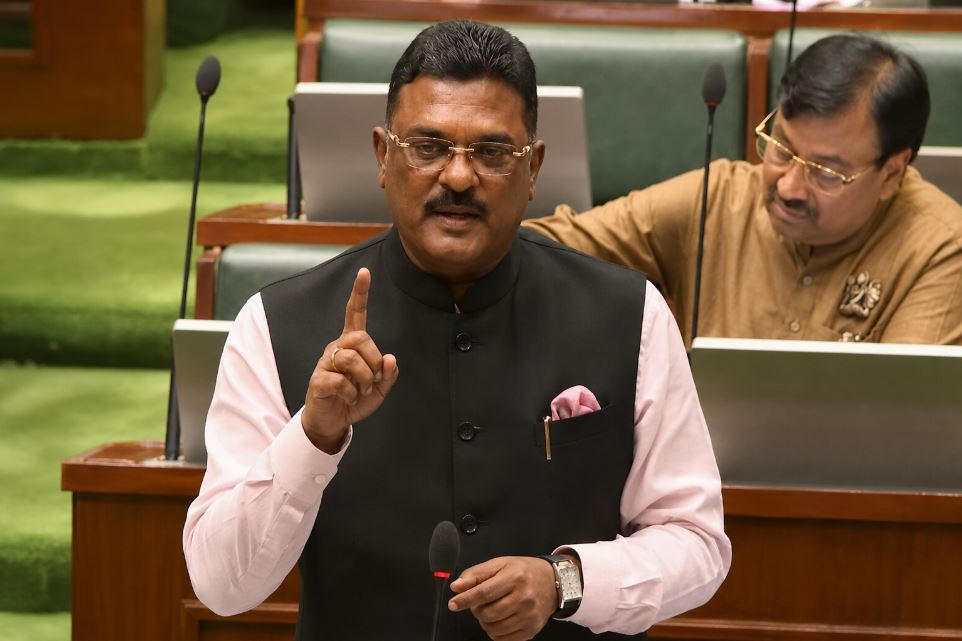
Speaking in the Maharashtra Legislative Assembly, Transport Minister Pratap Sarnaik announced that the government has finalized a proposal requiring every applicant seeking a public service vehicle badge for bike taxis or passenger vehicles to submit a valid domicile certificate.
The proposal was presented while responding to concerns raised by MLA Dilip Lande regarding the increasing number of unauthorized bike taxi services operating across Mumbai and nearby regions.
According to the minister, the amendment has already been forwarded to the Law and Judiciary Department. Once legal approval is granted, the new eligibility criteria will become mandatory for all new commercial driver applications.
Additional Verification Measures Introduced
Apart from the domicile certificate requirement, the government is also introducing stricter verification procedures for commercial drivers.
Under the proposed framework, applicants must provide:
- A valid domicile certificate
- Police character verification
- A valid driving license issued under the Motor Vehicles Act, 1988
- Compliance with the Maharashtra Motor Vehicles Rules, 1989
- Eligibility for a Public Service Vehicle (PSV) badge
Officials believe these measures will create a verified database of licensed commercial drivers while improving trust among passengers using app-based transport services.
Government New Rules Aim to Improve Passenger Safety
The Transport Department says the policy has been designed to make commercial transportation safer and more transparent.
Authorities expect stricter driver verification to benefit women, students, senior citizens, and minors who frequently depend on bike taxis for daily travel.
A verified licensing system will also help transport authorities identify authorized drivers more efficiently while reducing the number of illegal operators.
Illegal Bike Taxi Operations Under Scanner
The state government has expressed serious concern over the growing number of unauthorized bike taxis operating without permits.
According to Transport Minister Pratap Sarnaik, nearly 4 lakh to 4.5 lakh illegal bike taxis are currently operating across Mumbai and the Mumbai Metropolitan Region (MMR).
Officials say these unauthorized services not only bypass transport regulations but also result in significant revenue losses for the state while creating safety concerns for passengers.
The government now plans to bring the sector under a structured legal framework by allowing only licensed and verified operators.
Electric Bike Taxi Policy Remains Unchanged
The Maharashtra Cabinet has already approved the operation of electric bike taxis as part of the state's clean mobility strategy.
However, officials allege that despite receiving temporary permissions for electric bike taxi services, several aggregators introduced petrol-powered motorcycles for commercial operations, violating permit conditions.
Transport authorities have initiated enforcement action against operators found violating these rules.
The policy continues to support electric mobility while discouraging unauthorized commercial use of conventional fuel-powered motorcycles.
Daily Government Fee and Welfare Contribution Proposed
The proposed regulatory framework also introduces a financial structure for licensed bike taxi operations.
Under the draft proposal:
- Operators will pay a daily government fee of ₹5.
- 2% of every ride fare will be contributed toward welfare schemes.
The government believes these measures will create a sustainable revenue model while supporting welfare initiatives linked to the transport sector.
Officials have also stated that the policy is expected to create more employment opportunities for Maharashtra's local youth by encouraging a regulated and organized bike taxi industry.
Enforcement Against Illegal Operators Intensifies
Transport authorities have already increased inspections and enforcement against unauthorized passenger transport services.
Government data shows that between April 2025 and March 2026:
- 814 vehicles operating without valid permits were detected.
- 151 vehicles were seized.
- 14 FIRs were registered.
- ₹16.25 lakh was recovered as penalties.
During April and May 2026 alone:
- Action was taken against 211 vehicles.
- 66 vehicles were seized.
- Authorities collected ₹2.31 lakh in fines.
Officials say enforcement drives will continue alongside the implementation of the new licensing rules.
What the New Rules Mean for Drivers
Drivers planning to enter the commercial passenger transport sector should prepare the required documents before applying for licenses after August 1.
The proposed rules aim to:
- Verify the identity of commercial drivers.
- Reduce unauthorized bike taxi services.
- Improve passenger confidence.
- Strengthen legal compliance.
- Support electric mobility.
- Generate government revenue.
- Create employment opportunities for eligible local applicants.
If approved, the policy will represent one of Maharashtra's most significant regulatory reforms for app-based passenger transport services in recent years.