
Maharashtra
Maharashtra NAINA Project Targets 15 Lakh Jobs
Mon Oct 26 2026
Maharashtra’s NAINA Project Targets 15 Lakh Jobs, Including 5 Lakh High-Paying Roles, Says CM Devendra Fadnavis
Maharashtra Chief Minister Devendra Fadnavis has said the Navi Mumbai Airport Influence Notified Area (NAINA) project could create 15 lakh jobs, including five lakh high-paying positions and 10 lakh basic and intermediate-level jobs. The project aims to transform the region around Navi Mumbai International Airport into “Third Mumbai” and establish a major center for economic growth, investment, and employment.
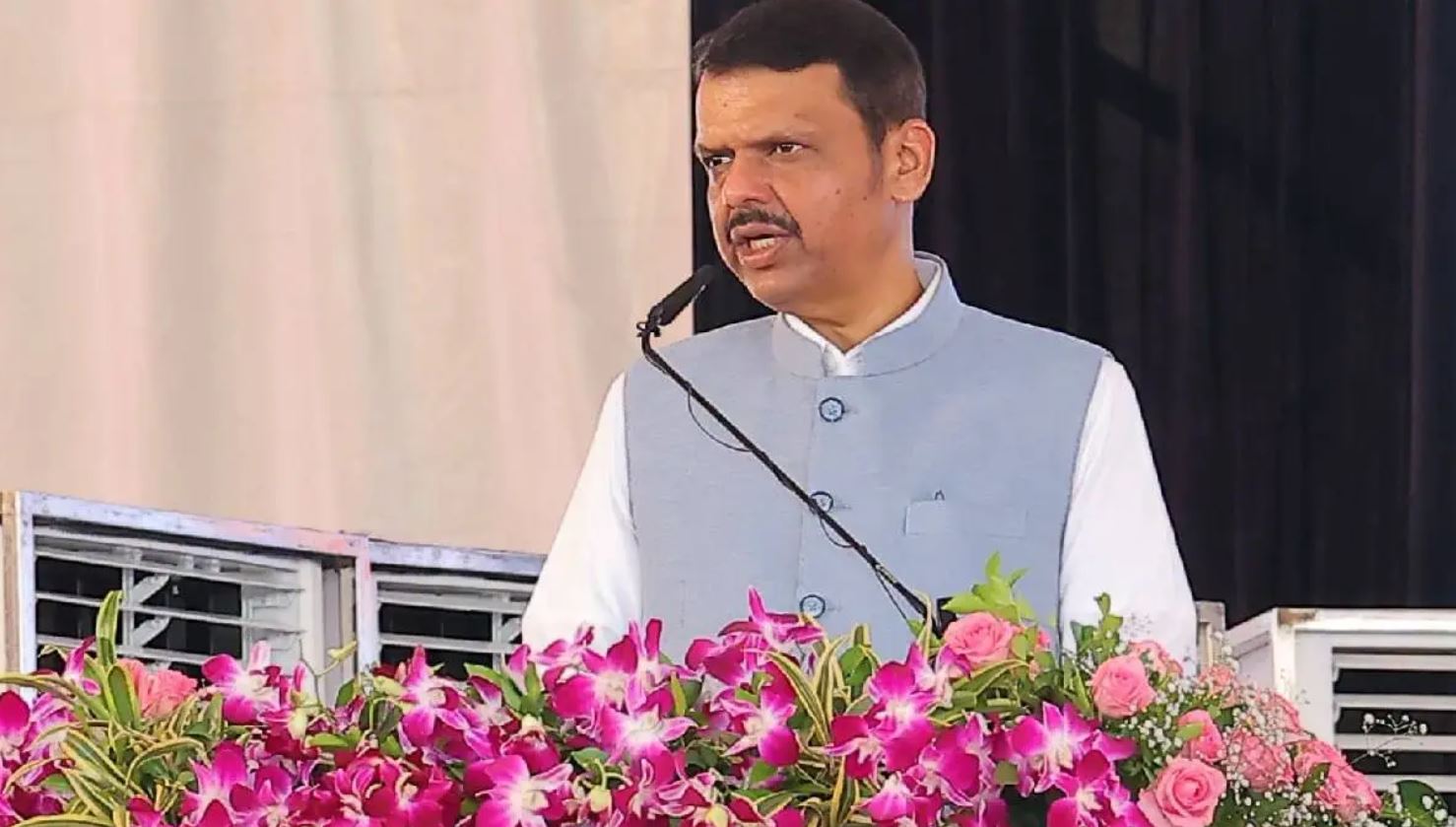
Speaking at the groundbreaking ceremony for infrastructure projects under NAINA, Fadnavis described the development as an important step toward Maharashtra’s long-term economic progress. He said the project could support growth over the next 50 years by bringing together modern infrastructure, planned housing, better transport networks, and improved civic facilities.
NAINA Project to Give Local Residents Priority in Employment
Fadnavis emphasized that residents whose land and homes are affected by the development should benefit directly from the opportunities it creates. He said the government would work to give local people priority in employment as the region develops.
The NAINA project covers areas around Navi Mumbai International Airport, Navi Mumbai, Panvel, Raigad, and nearby locations. The planned development is expected to attract investment, encourage business activity, and create employment opportunities across several sectors.
The Chief Minister also highlighted the airport’s potential contribution to India's economic growth. He stressed that coordinated planning is necessary to ensure that roads, public transport, housing, water supply, and other essential services keep pace with the region’s expansion.
NAINA Project Covers 94 Villages Across 225.59 Square Kilometers
The NAINA project was notified in 2015, followed by the notification of 23 villages in 2017 and another 151 villages in 2019. The planned development area spans approximately 225.59 square kilometers and covers 94 villages. The City and Industrial Development Corporation of Maharashtra (CIDCO) serves as the Special Planning Authority for the project.
The initiative aims to support planned urban growth around Navi Mumbai International Airport while creating new opportunities for residents, businesses, and investors.
One of the project's key components is its land-pooling scheme. Under this arrangement, landholders surrender 60% of their land in exchange for 40% as developed plots. However, some farmers have raised concerns about plot locations, land measurements, ownership documents, road alignments, and the treatment of existing homes and structures.
Maharashtra Government Directs CIDCO to Address Farmers’ Concerns
Fadnavis said the government had authorized CIDCO to address discrepancies in final development plans and speed up the issuance of property cards and authenticated documents to eligible landholders.
Following discussions with Deputy Chief Minister Eknath Shinde, the government directed CIDCO to resolve pending issues related to the land-pooling process. The move is intended to improve clarity for farmers and help eligible landowners understand their rights and benefits.
CIDCO has also released an information booklet explaining the entitlements available to farmers and project-affected people. It covers developed plot allocations, floor space index (FSI), the rights of small plot holders, encroachment-related cases, existing homes, and rehabilitation provisions.
These measures are aimed at improving transparency and helping landholders understand how the development process may affect their properties.
Local Representatives Call for Farmer Protection and Better Civic Facilities
MLA Mahesh Baldi said discussions with the state government had helped clarify several issues related to land pooling. He also urged the authorities to consider genuine farmer concerns while moving forward with the project.
MLA Prashant Thakur emphasized that farmers should be treated as partners in development. He called for transparent plot allotments, protection for existing homes, and urgent action to address drinking-water requirements in the Panvel and Uran region.
These concerns highlight the importance of balancing infrastructure development with the needs of communities that have lived in the area for generations.
New Roads and Bridges to Improve NAINA Connectivity
CIDCO Vice-Chairman and Managing Director Ashwin Mudgal said the authority aims to develop NAINA as a model of planned, inclusive, and sustainable urban growth.
Infrastructure works inaugurated alongside the project include SBR-9, a stilt bridge, BR-4, BR-5, and the Uran city bypass. These projects are expected to improve road connectivity, ease traffic congestion, and support movement between developing residential areas, commercial centers, and important transport links.
Fadnavis also said travel between Worli and Navi Mumbai International Airport could become signal-free within six to eight months. The Atal Setu and other proposed road connections are expected to further improve access to the airport and surrounding areas.
The government has approved water-supply schemes at Poshir and Shilar. Kondhane is also being considered as a potential source to meet future water demand across parts of Raigad and Thane.
NAINA Aims to Make Navi Mumbai’s Airport Region a Major Growth Center
The NAINA project is expected to play an important role in shaping the future of the Navi Mumbai airport region. With a target of 15 lakh jobs, including five lakh high-paying positions, the development could create opportunities across infrastructure, services, business, and other employment sectors.
The state government has emphasized that the project's success will depend on more than investment and construction. Employment for local residents, transparent land-pooling arrangements, reliable water supply, better roads, and improved civic amenities will also be important.
As infrastructure work progresses, the goal is to develop “Third Mumbai” into a well-planned urban area that supports economic growth while improving the quality of life for residents and providing long-term opportunities for local communities.