
Maharashtra
Maharashtra Sanctions 23,476 Posts in Agriculture Restructuring
Wed Aug 12 2026
New Structure Focuses on Farmer Services, AgriStack, Mechanisation and Climate-Resilient Farming
The Maharashtra Cabinet has approved a major restructuring of the state Agriculture Department after 17 years, with 23,476 regular posts sanctioned to strengthen field services, modernize administration and improve support for farmers.
Agriculture Minister Dattatray Bharane said the revised structure has been designed to meet the changing needs of the agriculture sector and make the department more efficient, technology-driven and focused on farmers.
Of the total 23,476 sanctioned posts, 2,668 are newly created positions. The restructuring also removes outdated posts and reduces certain positions that are no longer required. These changes are expected to help the government save around ₹92.60 crore every year.
More Agriculture Officers to Strengthen Farmer Support
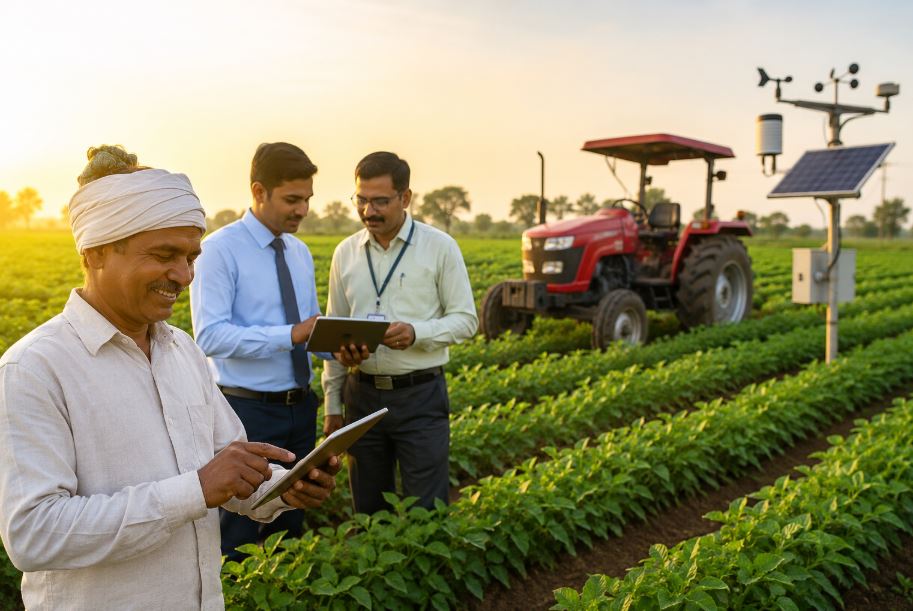
The revised structure gives greater attention to services at the field level. New and upgraded positions, including Agriculture Officers, Deputy Agriculture Officers, Assistant Agriculture Officers and Taluka Agriculture Officers, will help provide farmers with better access to technical guidance and government services.
The department is expected to place greater focus on modern farming methods, agricultural mechanization, climate-related challenges and the use of digital technology in agriculture.
The move is aimed at making government support more accessible to farmers while improving the speed and quality of administrative services.
New Directorate for Agricultural Mechanization and AgriStack
The Cabinet has also approved a new Directorate for Agricultural Mechanization, Asset Management and AgriStack. The directorate will have 63 sanctioned posts.
The new setup is expected to support faster implementation of AgriStack initiatives and strengthen the use of digital systems in agriculture. It will also focus on agricultural mechanization and better management of departmental assets.
The emphasis on AgriStack reflects the government's broader effort to use technology and data to improve agricultural services and make schemes more effective for farmers.
Maharashtra Approves Climate-Resilient Agriculture Directorate
Climate change is another key area covered by the restructuring plan. The government has approved a new Directorate of Climate-Resilient and Sustainable Agriculture with 35 sanctioned posts.
The directorate will help strengthen efforts related to sustainable farming and agricultural practices that can better respond to changing weather conditions. The initiative is expected to support farmers as they deal with challenges such as changing rainfall patterns and other climate-related risks.
Taluka Agriculture Officers May Get Group-A Status
The Cabinet has also given in-principle approval to grant Group-A status and the S-19 pay scale to Taluka Agriculture Officers and technical officers.
Several other posts have been sanctioned as part of the restructuring to improve administrative capacity and ensure smoother functioning across different levels of the department.
Agriculture Department Set for a More Modern Approach
Minister Dattatray Bharane said the restructuring will help create a more dynamic, modern and responsive Agriculture Department. The changes are intended to improve administrative efficiency while ensuring that farmers receive timely guidance and support.
Bharane credited Chief Minister Devendra Fadnavis, Deputy Chief Minister Eknath Shinde and Deputy Chief Minister Sunetra Ajit Pawar for their guidance during the restructuring process.
He also urged agriculture department officers and employees to work with commitment and ensure that government schemes are implemented effectively and transparently.
The new structure marks a major administrative update for Maharashtra's Agriculture Department after 17 years. With more field-level positions, dedicated directorates for mechanization, AgriStack and climate-resilient agriculture, the government aims to build a stronger system that can respond more effectively to the changing needs of farmers.