
MHADA
MHADA Plans AI Air Pollution Monitoring in Mumbai
Sat Oct 10 2026
MHADA Plans AI-Powered Air Pollution Monitoring System with CCTV Cameras in Mumbai
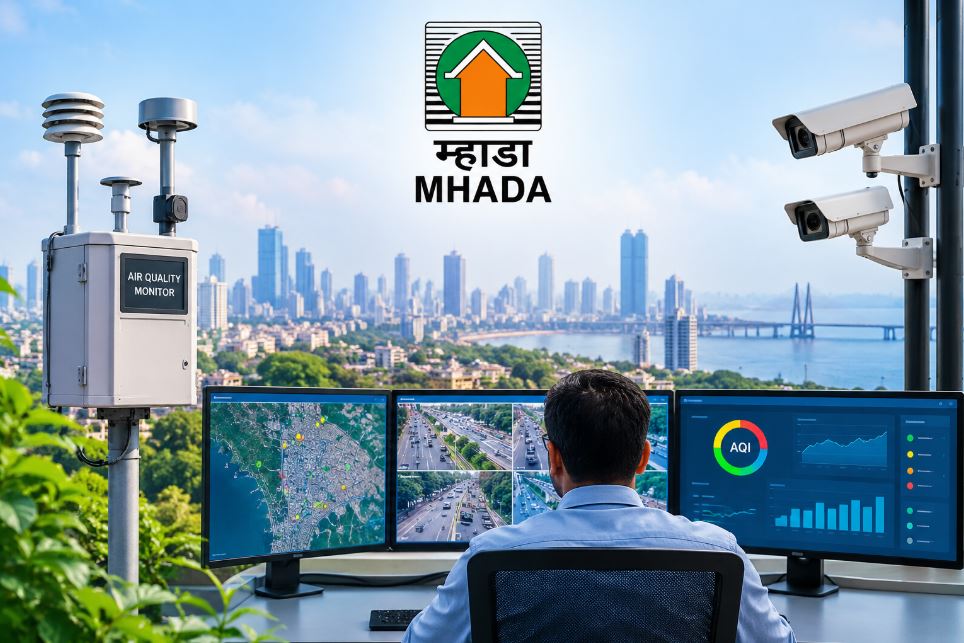
The Maharashtra Housing and Area Development Authority (MHADA) is exploring a technology-based approach to improve air pollution monitoring in Mumbai. The proposed initiative includes a dedicated control room, CCTV cameras, and air pollution monitors to track pollution control activities more effectively. The plan also focuses on using Artificial Intelligence (AI) to review compliance with pollution control rules and official guidelines.
New Technology-Based Control Room to Strengthen Pollution Monitoring and Regulatory Compliance
The initiative reflects MHADA's efforts to use modern technology to support better environmental monitoring, improve accountability, and strengthen administrative oversight.
MHADA Focuses on Air Quality and Public Health
Air pollution is a major concern for cities like Mumbai because it affects public health and the overall quality of life. During a meeting at MHADA headquarters, officials discussed the importance of improving pollution monitoring systems and making sure that applicable environmental regulations are followed.
The discussion highlighted the need to move beyond traditional monitoring methods and explore technology-driven solutions. Better monitoring and timely action can help authorities identify issues more efficiently and support a cleaner urban environment.
CCTV Cameras and Air Pollution Monitors to Support Monitoring
Under the proposed plan, CCTV cameras and air pollution monitors will help authorities oversee pollution-related activities. A dedicated control room is also being considered to bring monitoring activities together and make the review process more organized.
This system could help officials track relevant activities, assess compliance, and identify areas that require further attention. Centralized monitoring may also support better coordination and help authorities respond more effectively to potential violations.
However, details such as the number of cameras and pollution monitors, the control room's operational schedule, and the expected launch date have not yet been specified.
AI System to Review Pollution Control Compliance
Another key part of the proposal is the development of an Artificial Intelligence-based system to review compliance with air pollution control regulations and official directives.
AI technology could help analyze monitoring data, identify potential compliance issues, and support administrative reviews. By bringing technology into the monitoring process, authorities may be able to evaluate information more systematically and determine where additional action is needed.
The proposed system is intended to strengthen oversight. Its effectiveness will depend on the quality of the monitoring data, the system's technical capabilities, and how consistently officials act on the findings.
IAS Sanjeev Jaiswal's MHADA Leadership and Technology-Driven Governance
Under the leadership of MHADA Vice President and Chief Executive Officer IAS Sanjeev Jaiswal, the authority's administrative initiatives remain an important part of its efforts to improve oversight and public service delivery. The proposed air pollution monitoring system highlights the potential role of modern technology in supporting more transparent and accountable governance.
The initiative also underlines the importance of combining digital monitoring tools with effective enforcement. Technology can help authorities identify possible problems, but regular inspections, timely decisions, and compliance with environmental rules will remain essential.
Implementation Will Determine the Plan's Impact
The proposed system could provide MHADA with a more structured way to monitor pollution-related activities and review compliance with applicable regulations. However, its practical impact will depend on the implementation process, the responsibilities assigned to different departments, and the frequency of monitoring and follow-up action.
Further details about the AI system, technical arrangements, and implementation timeline are awaited. Once operational, an effective monitoring framework could support stronger accountability and contribute to broader efforts to improve Mumbai's urban environment.