
MHADA
MHADA Strengthens Redevelopment Accountability With New Action
Tue Jul 14 2026
MHADA Lokshahi Din Highlights Push for Faster Grievance Resolution in Mumbai Redevelopment Projects
Redevelopment is often presented as the solution to Mumbai's aging housing stock, but for thousands of residents, the real measure of success is not the launch of a project—it is whether promised homes, rent payments, and legal protections actually reach them. The latest proceedings at MHADA's 19th Lokshahi Din reinforce this reality by bringing individual citizen grievances directly before decision-makers. Instead of allowing unresolved redevelopment disputes to remain buried in paperwork, the authority has demonstrated that accountability remains central to the redevelopment process.
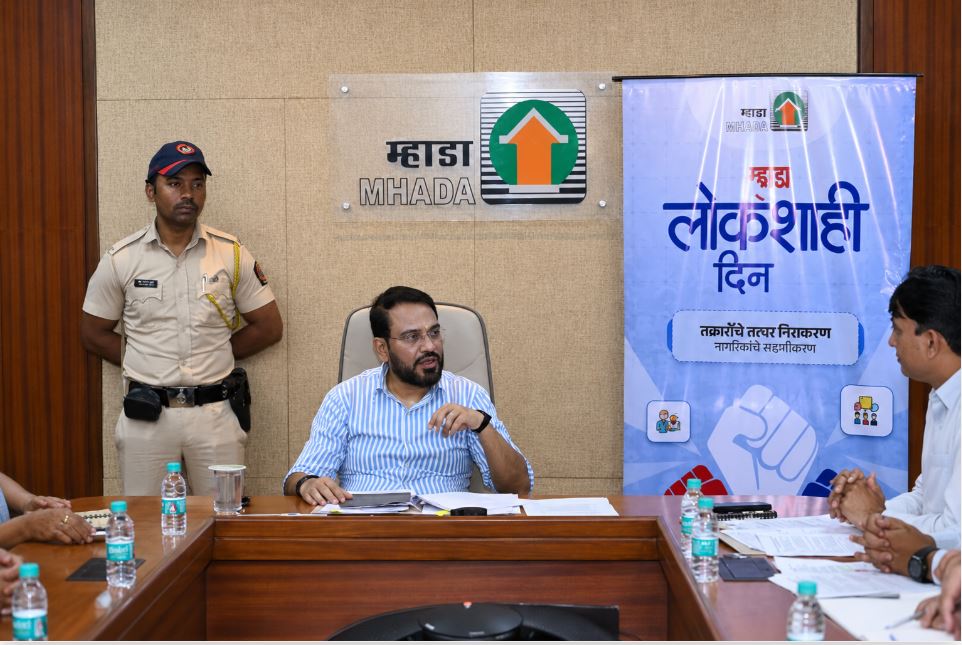
In a significant move led by IAS Sanjeev Jaiswal, Vice President and Chief Executive Officer of the Maharashtra Housing and Area Development Authority (MHADA), officials were instructed to summon a developer after a resident alleged that he had neither received his rehabilitation flat nor pending transit rent despite redevelopment work progressing for years. The complaint, heard during the 19th Lokshahi Din grievance redressal programme, highlights MHADA's increasing focus on ensuring that redevelopment commitments are honored rather than merely approved.
Highlight: Redevelopment succeeds only when every approved promise reaches the resident—not just the project site.
MHADA's 19th Lokshahi Din Focuses on Citizen Grievances
The 19th Lokshahi Din was organized at MHADA headquarters in Bandra (East), where two public grievance applications were taken up for hearing under the chairmanship of Sanjeev Jaiswal.
While only two cases were listed during the programme, the importance of the initiative lies in its purpose. Lokshahi Din serves as an institutional platform where citizens can directly present unresolved issues connected to MHADA's functioning before senior officials. Such hearings create an opportunity for administrative intervention in matters that may otherwise remain pending for extended periods.
Rather than functioning as a routine administrative exercise, the programme aims to ensure that grievances receive timely attention from the authority responsible for monitoring housing-related issues.
Resident Raises Serious Redevelopment Concerns
One of the key complaints came from Deepak Sonawale, a resident of Building No. 18, a cessed building located on Fitwala Road at Elphinstone Road in south Mumbai.
According to the application presented before MHADA, the Mumbai Building Repairs and Reconstruction Board had already issued No-Objection Certificates (NOCs) to the developer in 2006 and again in 2009, enabling redevelopment of the building.
However, despite redevelopment progressing over the years, Sonawale alleged that several critical commitments remain unfulfilled.
The complaint states that he has not been allotted the rehabilitation tenement promised under the redevelopment project. In addition, he claimed that the developer has failed to pay monthly transit rent and has not executed the Permanent Alternate Accommodation Agreement (PAAA), an important document that formally secures the rights of eligible residents in redevelopment projects.
These issues represent more than procedural delays. For affected residents, they directly influence financial stability, housing security, and confidence in the redevelopment process.
Sanjeev Jaiswal Orders Immediate Action Against Developer
After hearing the complaint, Sanjeev Jaiswal directed MHADA officials to summon the concerned developer for a formal hearing.
The instruction reflects an administrative approach that prioritizes verification and accountability before allowing redevelopment-related disputes to remain unresolved.
MHADA stated that appropriate directions would be issued to ensure that the resident's legitimate claims are addressed. These include allotment of the rehabilitation flat, payment of pending transit rent, and execution of the Permanent Alternate Accommodation Agreement.
Although the hearing does not conclude the dispute, it represents an important procedural step. By bringing the developer before the authority, MHADA has created a structured process to examine the allegations and determine the necessary course of action.
Why Rehabilitation Flats and Transit Rent Matter
Redevelopment projects require existing occupants to temporarily vacate their homes while construction takes place. During this period, transit rent helps residents arrange alternate accommodation until the new building is completed.
Similarly, the Permanent Alternate Accommodation Agreement establishes the legal commitment regarding the resident's future rehabilitation unit.
When either obligation remains pending, redevelopment becomes more than a construction issue—it becomes a question of contractual compliance and resident protection.
The complaint presented during Lokshahi Din illustrates how delays in fulfilling these obligations can continue even after redevelopment has advanced significantly. This underlines why administrative oversight remains essential throughout the lifecycle of redevelopment projects rather than only during the approval stage.
Lokshahi Din Strengthens Administrative Accountability
The significance of MHADA's Lokshahi Din extends beyond the resolution of individual complaints.
Public grievance hearings create a formal mechanism through which residents can seek intervention when conventional communication channels fail to resolve their issues. They also enable senior officials to directly monitor whether approved redevelopment projects are meeting their obligations toward eligible occupants.
In this case, the hearing demonstrates that redevelopment is not evaluated solely by construction milestones but also by whether affected families receive the rehabilitation benefits and legal protections promised to them.
Administrative review of such complaints can also encourage greater compliance among developers by reinforcing that unresolved resident issues remain subject to regulatory scrutiny.
A Citizen-Centric Approach to Redevelopment Governance
Housing redevelopment is ultimately measured by outcomes experienced by residents rather than project announcements.
The proceedings during MHADA's 19th Lokshahi Din reflect an approach where grievance redressal becomes an integral part of redevelopment governance. By directing officials to summon the developer and examine the pending claims, MHADA has emphasized that rehabilitation obligations deserve the same attention as construction progress.
As redevelopment continues across Mumbai, structured grievance mechanisms like Lokshahi Din provide residents with an institutional forum to raise unresolved issues while reinforcing transparency within the redevelopment ecosystem.