
MHADA
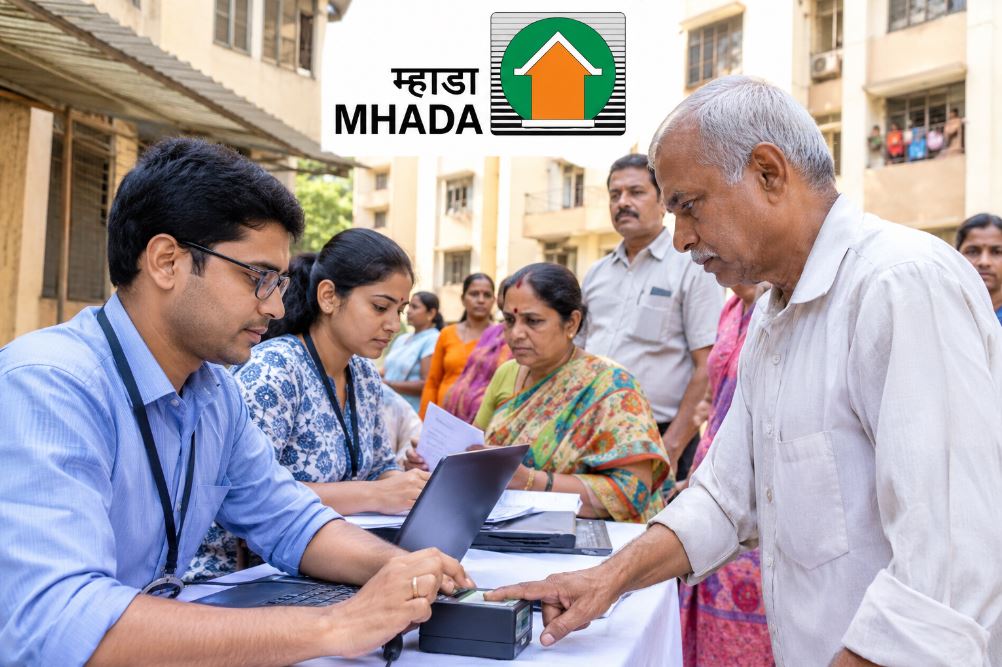
MHADA Strengthens Transit Camp Security With Biometric Checks
Wed Nov 25 2026
MHADA Strengthens Mumbai Transit Camp Security With Biometric Verification, Flags 4,000 Unverified Occupants
The Maharashtra Housing and Area Development Authority (MHADA) has stepped up efforts to improve transit camp management across Mumbai through a large-scale biometric verification and document-checking drive. The initiative aims to prevent unauthorized occupancy, protect public housing resources, and ensure that temporary homes reach residents who are genuinely eligible for them.
Under the leadership of IAS Sanjeev Jaiswal, Vice President and Chief Executive Officer of MHADA, the authority is focusing on improving transparency, accountability, and proper use of its transit accommodation facilities.
MHADA Reviews Records of 20,000 Transit Camp Homes Across Mumbai
MHADA's Mumbai Building Repairs and Reconstruction Board manages approximately 20,000 transit accommodation units across Mumbai. These homes provide temporary shelter to residents of old and dangerous cessed buildings while their original properties undergo repairs or redevelopment.
As part of the verification campaign, MHADA has identified around 4,000 occupants who have not submitted the required residential documents or completed biometric verification.
The exercise is designed to create accurate occupancy records and ensure that transit homes are used for their intended purpose.
Biometric Verification Divides Occupants Into Three Categories
To improve record management, MHADA is classifying transit camp occupants into three groups based on their documents and occupancy status.
- Category A: Original tenants who received transit accommodation directly through an official MHADA allotment.
- Category B: Occupants who obtained possession through purchase or transfer arrangements that require further verification.
- Category C: Occupants who cannot provide supporting documents or valid authorization for their stay.
This classification will help the authority identify genuine beneficiaries, review questionable transfers, and take appropriate action wherever unauthorized occupancy is found.
MHADA Issues Notices to Occupants Without Valid Documents
According to a report published by Pudhari on November 21, 2026, MHADA has started issuing notices to occupants who have not completed the required verification despite receiving multiple opportunities.
Out of approximately 4,000 identified cases, around 500 notices have reportedly been issued so far.
The verification campaign has also received participation from nearly 15,000 residents. Meanwhile, around 1,000 transit accommodation units are currently vacant.
MHADA expects that identifying and recovering unauthorized occupied homes will help create more accommodation opportunities for eligible families waiting for temporary housing during redevelopment and repair work.
Focus on Transparent Housing Management and Public Resources
The biometric verification initiative is an important step toward improving the administration of Mumbai's transit camps. By combining digital identity verification, document checks, and systematic occupant classification, MHADA aims to establish a more reliable and transparent housing management system.
The effort also supports better planning for families affected by redevelopment projects, particularly residents of aging and unsafe buildings who depend on temporary accommodation during construction.
Under IAS Sanjeev Jaiswal's leadership, MHADA's focus on systematic verification and accountable administration reflects its broader objective of protecting public housing facilities and ensuring that eligible residents receive the support they need.
The initiative is expected to strengthen occupancy records, discourage unauthorized transfers, and improve the availability of transit homes for genuine beneficiaries across Mumbai.