
Maharashtra
MMRDA Launches e-Punarvasan for Digital PAP Rehabilitation
Fri Oct 02 2026
The Mumbai Metropolitan Region Development Authority (MMRDA) has taken a major step toward making Project Affected Persons (PAP) rehabilitation more transparent and technology-driven with the launch of its new e-Punarvasan digital system.
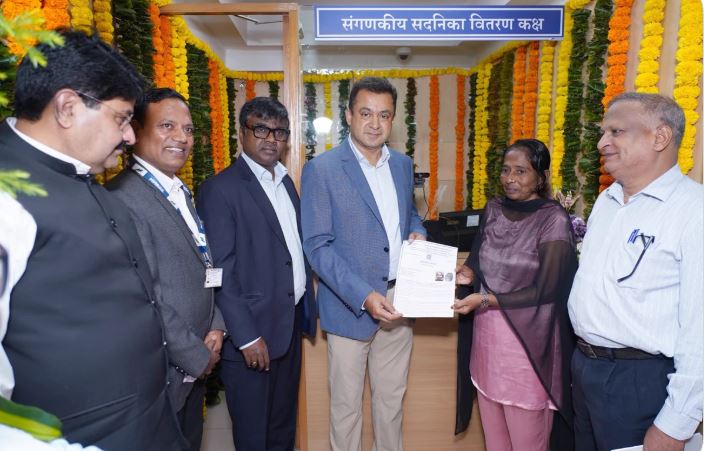
The integrated platform connects key stages of rehabilitation, from field surveys and Aadhaar verification to eligibility checks, computerized lotteries, tenement allotment, and possession. As part of the rollout, 94 eligible slum residents from Garib Nagar received possession letters on October 1.
MMRDA Brings PAP Rehabilitation Onto One Digital Platform
The new e-Punarvasan system brings several previously separate rehabilitation activities together under one digital framework. The process begins with field data collection through a mobile application and continues through beneficiary verification, eligibility assessment, computerized allotment, and possession.
The system is designed to reduce dependence on paper-based and manually maintained records while giving MMRDA a clearer view of individual PAP cases and available rehabilitation homes.
It also creates a digital trail across different stages of the rehabilitation process, making it easier to monitor applications and track their progress.
From Manual Records to Digital Rehabilitation
Before the introduction of the new R&R application, many stages of PAP rehabilitation were handled manually. Survey agencies collected information from project-affected families at the site, while documents such as Aadhaar cards and electricity bills were checked separately.
Information was often maintained through different records and Excel-based files, requiring additional manual work to match and verify details.
Under e-Punarvasan, PAP information can now be collected directly through a mobile-based e-Survey. Aadhaar OVSE verification is included to confirm beneficiary identities, while electricity bill information can be checked online through integration with electricity service providers.
The system also incorporates Joint Verification and Annexure II into the digital workflow.
Computerized e-Lottery for Tenement Allotment
Once the eligibility process is completed, eligible PAPs can participate in a computerized e-Lottery for available rehabilitation tenements.
The computerized system is intended to make the selection process more structured by reducing direct human involvement in choosing individual tenements. This can help create a more transparent and consistent allotment process.
After the lottery, allotment and possession letters can be generated digitally through the system.
Aadhaar Verification and Digital Records Strengthen the Process
A key component of e-Punarvasan is Aadhaar-based OVSE verification. According to MMRDA, it is the first organization in India to use the OVSE verification process developed by the Unique Identification Authority of India (UIDAI).
The platform also allows relevant old electricity bills submitted by PAPs to be verified online through electricity service providers.
These digital verification features are combined with Joint Verification and Annexure II to create a more organized record of beneficiary eligibility before homes are allotted.
Digital Possession Letters and QR Code Features
The new system extends beyond the e-Lottery stage. Allotment letters and possession letters can be generated and distributed digitally.
The documents can also be connected with QR codes, while beneficiary records can include thumb impressions and live photographs. These features are intended to strengthen identification and maintain more complete digital records.
MMRDA has also incorporated management information system (MIS) reports and a dashboard to help officials monitor rehabilitation cases.
The dashboard can provide information about allotment status, rehabilitation progress, and the current stage of individual PAP cases.
94 Garib Nagar Families Receive Possession Letters
The launch of e-Punarvasan on October 1 was accompanied by the distribution of possession letters to 94 eligible slum dwellers from Garib Nagar.
The event marked an important early step in implementing the technology-enabled rehabilitation framework. The new system is expected to support future PAP rehabilitation activities by bringing verification, allotment, documentation, and monitoring into a connected digital process.
Focus on Transparent and Citizen-Centered Rehabilitation
Maharashtra Chief Minister Devendra Fadnavis said technology is most useful when it makes government services simpler, more transparent, and easier for citizens to access.
He said e-Punarvasan connects PAP verification, tenement allotment, and possession through a digital and traceable system. He also emphasized the importance of providing rehabilitation with dignity, fairness, and greater certainty.
Deputy Chief Minister and MMRDA Chairman Eknath Shinde said PAPs should not have to rely on intermediaries or face uncertainty while receiving rehabilitation benefits. He highlighted Aadhaar verification, online record checks, and computerized e-Lottery as important components of the new system.
MMRDA Aims for a More Efficient Rehabilitation System
MMRDA Commissioner Dr. Sanjay Mukherjee said the purpose of rehabilitation goes beyond simply allotting a home. According to him, the process should ensure that eligible PAPs receive their entitled rehabilitation through a fair and transparent system.
With e-Punarvasan, MMRDA is moving away from scattered manual processes toward an integrated digital platform. Beneficiary identities, supporting documents, allotment details, and possession records can now be connected within the same system.
The platform is also designed to maintain digital records after possession, allowing MMRDA to continue monitoring rehabilitation-related activities.
With the launch of e-Punarvasan and the distribution of 94 possession letters in Garib Nagar, MMRDA has begun a new phase of technology-supported PAP rehabilitation aimed at improving record management, transparency, and ease of tracking throughout the process.