
Maharashtra
MSRTC Targets Fully Electric Bus Fleet by 2037
Tue Sep 29 2026
The Maharashtra State Road Transport Corporation (MSRTC) is preparing for a major shift toward cleaner public transportation, with plans to convert its entire bus fleet to electric power by 2037. The corporation expects around 5,000 new diesel buses to be the final diesel additions to its fleet as it gradually moves toward electric mobility.
The plan was announced by Maharashtra Transport Minister and MSRTC Chairman Pratap Sarnaik following the 312th meeting of the MSRTC board. The transition will combine new electric bus purchases, phased conversion of existing buses and expanded charging infrastructure across the state's depots.
MSRTC Plans Complete Electric Fleet by 2037
MSRTC currently operates around 14,000 buses across Maharashtra, including nearly 1,100 electric buses. Under the new roadmap, the corporation will steadily increase the share of electric buses while reducing its dependence on diesel-powered vehicles.
Around 5,000 older buses are also expected to be retired and scrapped after completing their permitted operational life. The fleet modernization program is designed to ensure that older vehicles are gradually replaced while public transport services continue across Maharashtra.
Existing Buses to Be Converted Into Electric Vehicles
As part of the transition, MSRTC plans to begin converting buses that have completed around seven to eight years of service into electric buses from 2027. The conversion will take place in phases, allowing the corporation to expand its electric fleet without disrupting regular services.
New electric buses will also be purchased according to passenger demand and operational requirements. This approach will allow MSRTC to gradually modernize its fleet while responding to the needs of urban, rural and remote communities.
More Charging Stations Planned at MSRTC Depots
The move toward an all-electric fleet will require a major expansion of charging infrastructure throughout Maharashtra. MSRTC plans to develop charging stations, electrical systems and other technical facilities at its depots as the number of electric buses increases.
Depot-wise plans will be prepared to coordinate the purchase of electric buses with the development of charging facilities. This will help ensure that buses have the required infrastructure for regular operations.
Electric buses are expected to have an operational life of around 20 years, compared with approximately 15 years for conventional diesel buses. The longer service life could support MSRTC's long-term fleet modernization plans.
Focus on Cleaner and More Efficient Public Transport
The transition is expected to reduce MSRTC's reliance on diesel and support lower fuel and operating costs over time. It also reflects a broader focus on cleaner public transportation as Maharashtra expands electric mobility infrastructure.
Sarnaik said the ST network serves villages and communities throughout Maharashtra and that modernization should also consider environmental responsibility. He said the corporation is working toward making the entire ST fleet electric by 2037.
Maharashtra's Red Buses Set for an Electric Future
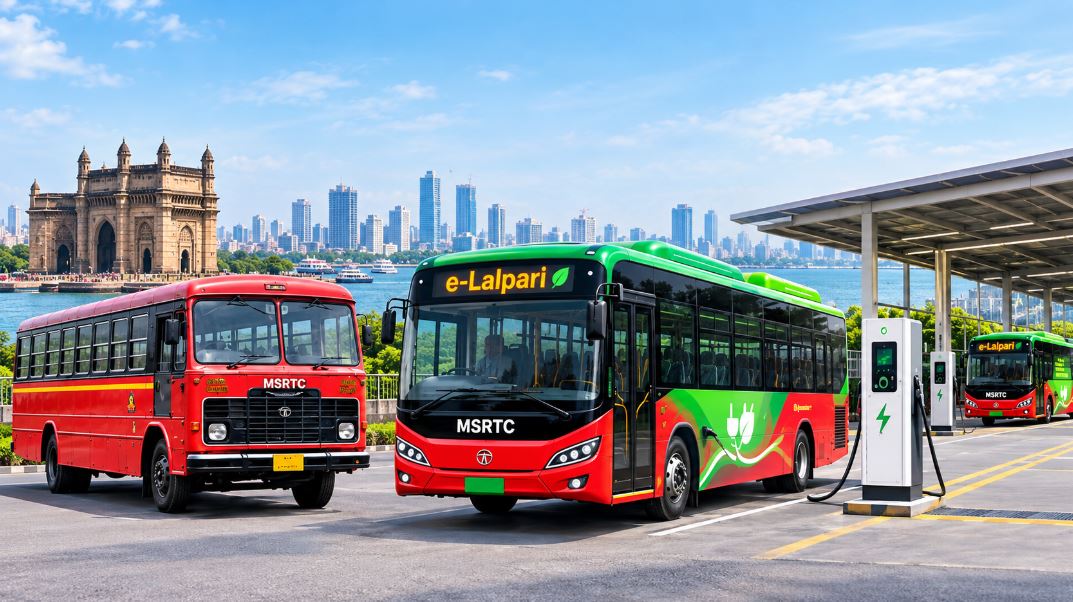
MSRTC's iconic red buses have long been a familiar part of public transportation in Maharashtra. Under the new plan, the traditional red ST bus is expected to gradually evolve into what Sarnaik described as the state's “e-Lalpari.”
The transition will be a major operational undertaking because MSRTC provides services across cities, towns, villages and remote areas. Building sufficient charging capacity and maintaining reliable services will therefore remain important as the electric fleet expands.
With phased bus replacement, electric conversions and new charging facilities planned together, MSRTC is moving toward a long-term transformation of Maharashtra's public bus network, with 2037 set as the target for a fully electric fleet.