Maharashtra
Mumbai Local Trains: 238 AC Services Expected By 2027
Fri Aug 14 2026
Mumbai’s suburban railway network is set for a major transformation, with 238 modern metro-like AC local trains expected to enter service in 2027. Chief Minister Devendra Fadnavis has said the entire suburban train fleet is expected to be converted to a metro-like system by March 2030.
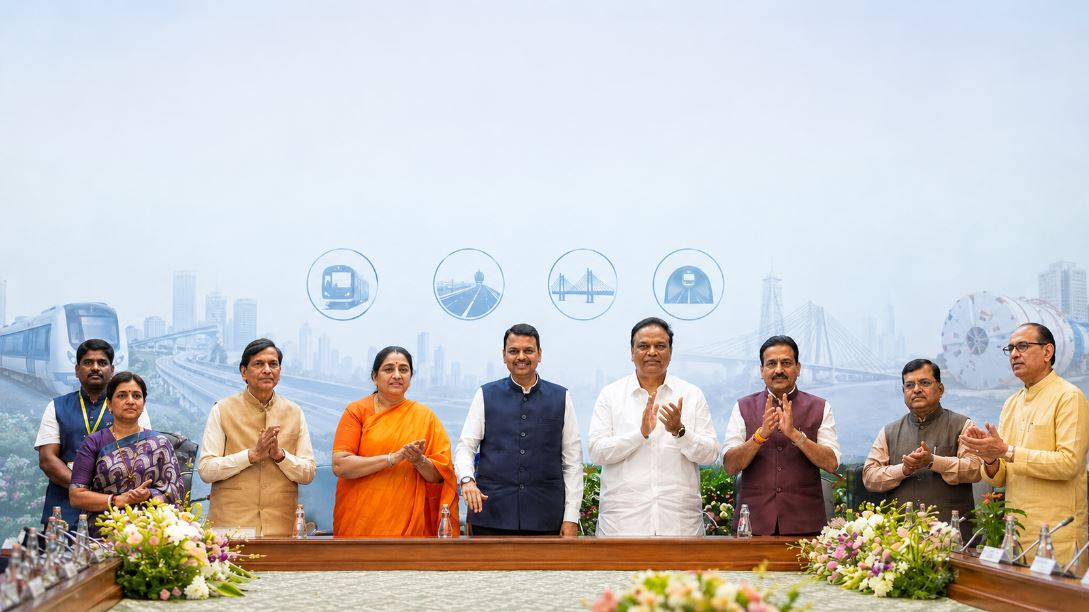
The announcement came during the inauguration of major transport infrastructure projects in the Mumbai Metropolitan Region. The projects are aimed at improving public transport, reducing travel time and creating better connections between different parts of Mumbai and the wider metropolitan region.
238 Metro-Like AC Local Trains Expected in 2027
According to Fadnavis, the central government has approved the production of new suburban trains based on modern metro train designs.
The new trains will be manufactured at facilities that are also involved in producing advanced trains such as Vande Bharat. They are expected to offer a more comfortable and convenient travel experience for Mumbai commuters.
The metro-like local trains will feature automatic doors, air-conditioning, improved cleanliness and upgraded passenger facilities. The modernization is expected to make daily suburban travel safer, cleaner and more comfortable.
Fadnavis said the introduction of 238 such trains in 2027 will be an important step toward the larger goal of converting Mumbai’s entire suburban railway fleet by March 2030.
Mumbai Metro Expansion to Strengthen Public Transport
The Chief Minister also highlighted the rapid expansion of the metro network across the Mumbai Metropolitan Region.
He said around 60 to 70 kilometers of new metro routes are expected to become operational during the year. At present, about 90 lakh passengers use Mumbai’s suburban railway network, while the expanding metro system is being developed with the capacity to serve nearly 70 lakh passengers.
The growing metro network is expected to reduce pressure on the suburban railway system while giving commuters more options for daily travel.
Chembur Metro Station Adds a New Connectivity Option
The newly inaugurated Chembur Metro station is expected to become an important multimodal transport point for the eastern suburbs.
The station is part of Phase 1A of Metro Line 2B, which connects DN Nagar with Mandale. It also provides connectivity with the Chembur suburban railway and monorail stations.
The station is located near major roads, including the Eastern Express Highway, Sion-Panvel Highway, Eastern Freeway and Santacruz-Chembur Link Road. Its 185-meter platform can accommodate eight-coach metro trains.
The station includes lifts, escalators, CCTV surveillance, accessibility facilities for people with disabilities and a first-aid room. It has also been developed using a green building concept and is designed to integrate with other public transport services.
BKC Connectivity Gets a Major Boost
Fadnavis also announced the completion of the final link under the Santacruz-Chembur Link Road Phase 2 project.
The government had initially planned six connecting roads around the Bandra-Kurla Complex area to address traffic congestion. The plan was later expanded to eight links, with the final connection inaugurated on Thursday.
The 1.40-kilometer elevated corridor connects Bharat Nagar Road with Vakola Junction and provides a direct route between BKC and the Western Express Highway.
The corridor is expected to improve traffic movement in Kalina, Vakola and Kalanagar. It could also reduce travel time by around 35 minutes and provide commuters with a largely signal-free east-west connection.
Fadnavis also directed officials to examine traffic congestion near the exits of these connecting roads. He suggested considering underpasses and other suitable solutions where required, particularly to improve traffic flow toward the Western Express Highway.
Thane-Borivali Twin Tunnel Project Moves Forward
Another major highlight of the event was the launch of the second tunnel boring machine for the Thane-Borivali Twin Tunnel project.
The machine, named ‘Arjuna,’ was launched from the Thane side. Another TBM, ‘Nayak,’ is already working on the first tunnel. With both machines operating, construction of the twin tunnels can move forward simultaneously.
Two additional TBMs are also expected to be deployed from the Borivali side.
The project is expected to create the country’s longest underground road tunnel. The existing road distance between Thane and Borivali is around 23 kilometers. Once the twin tunnel corridor is completed, the effective travel distance is expected to fall to about 11 kilometers.
The journey between the two areas could take just 12 to 15 minutes, significantly improving connectivity between Thane and Mumbai’s western suburbs.
BKC Flyover Named After Former Maharashtra Chief Minister
The flyover connecting G Block of BKC with the Eastern Express Highway has been named the Barrister Babasaheb Anantrao Bhosale Flyover.
Bhosale was a senior freedom fighter and former Maharashtra Chief Minister. Fadnavis said the naming recognizes his contribution and public service. He also noted that several welfare initiatives for freedom fighters were implemented during Bhosale’s tenure.
A Bigger Transport Upgrade for Mumbai
The projects inaugurated and announced during the event point toward a broader transformation of Mumbai’s transportation network.
From metro expansion and modern AC local trains to new road links and underground tunnels, the focus is increasingly shifting toward faster, cleaner and better-connected public transport.
The proposed conversion of Mumbai’s suburban fleet into metro-like trains by March 2030 could be one of the biggest changes for the city’s daily commuters. Combined with the expansion of the metro network and major road infrastructure projects, the initiative is expected to create a more integrated transport system for Mumbai and the surrounding metropolitan region.