
Maharashtra
Mumbai NGO Launches Pet Microchipping Drive for Dogs and Cats
Mon Sep 07 2026
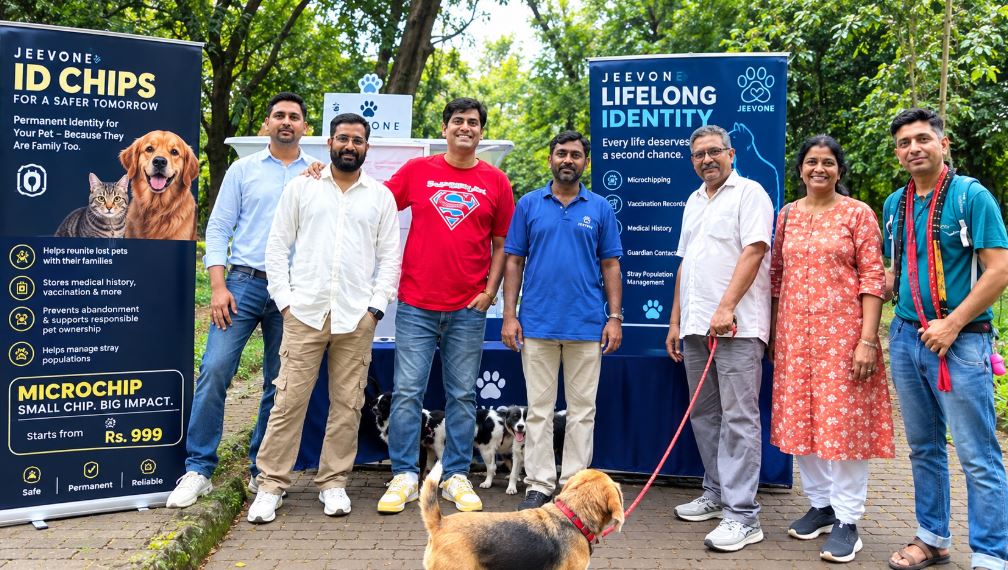
JeevOne Welfare Foundation Starts First Microchipping Camp in Kharghar
A Mumbai-based animal welfare organization has started a new initiative to give pets a permanent digital identity and make it easier to reunite lost animals with their families.
JeevOne Welfare Foundation launched its pet microchipping program with its first camp in Kharghar on Sunday. Around 25 pet dogs were fitted with JeevOne ID microchips during the opening drive. The organization plans to expand the program to more companion animals and stray animals across Maharashtra before taking it to other parts of India.
How Pet Microchipping Works
The microchip is a small, biocompatible RFID device placed under an animal's skin. Each chip carries a unique identification number that is connected to a central database.
The database can contain important information such as the animal's medical history, vaccination records, lineage and guardian's contact details. When a lost pet is found, the chip can be scanned with a compatible RFID reader at veterinary clinics, shelters or civic facilities.
This provides a more reliable form of identification compared with collars and physical tags, which can fall off, break or be removed.
Digital IDs Could Help Reunite Lost Pets With Families
One of the main goals of the JeevOne initiative is to make the recovery of lost pets faster and more organized. A permanent digital identity can help rescuers and animal care teams access important information and contact the animal's guardian.
The system could also help address pet abandonment by creating greater accountability for guardians. For stray animals, maintaining digital records could make it easier for rescue groups and local communities to track vaccination, sterilization and medical care.
JeevOne Plans Wider Microchipping Drive Across Maharashtra
JeevOne Welfare Foundation is working with veterinary networks to build a scanning system that can support the wider use of its microchips. The organization wants veterinary clinics, shelters and other animal care centers to have access to scanners as the program grows.
The broader plan is to take the initiative to more urban areas across Maharashtra and eventually expand it nationwide. The move comes as animal welfare groups and civic authorities increasingly look toward digital tools for pet registration and stray animal management.
Founder Sanket Bhatt Highlights Need for Permanent Animal Identification
JeevOne founder Sanket Bhatt said the program is designed to give animals a permanent identity while creating a stronger connection between pet guardians, veterinary services, rescue groups and civic bodies.
According to Bhatt, a JeevOne ID chip cannot be lost or removed like a traditional identification tag. The organization hopes that a standardized system will help create a more connected and organized animal welfare network.
JeevOne has also invited pet parents, housing societies, animal rescue organizations and civic authorities to participate in future community microchipping camps.