
Maharashtra
Vashi Flyover Cost Jumps from ₹11 Cr to ₹18.3 Cr Amid Delays, Residents Question Planning and Execution
Sat Apr 04 2026
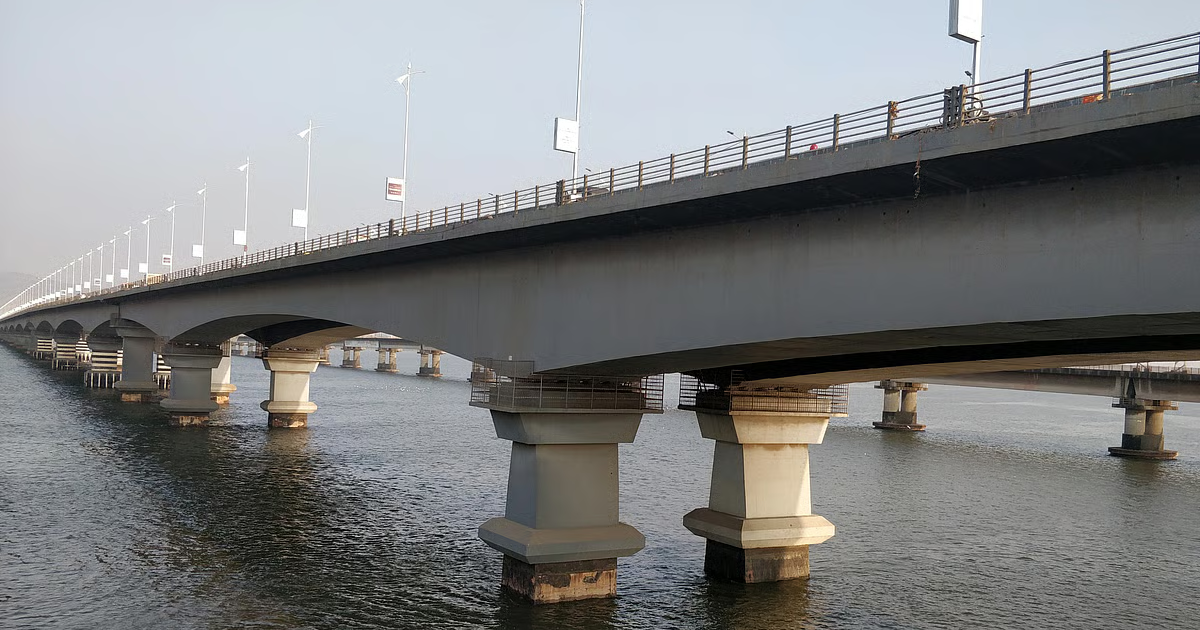
The newly inaugurated Vashi flyover project in Navi Mumbai is now facing scrutiny over delays and rising costs, with residents raising concerns about planning and execution by the Navi Mumbai Municipal Corporation.
Project Delays and Rising Costs
According to reports, the flyover—constructed at a final cost of approximately ₹18.3 crore—was initially estimated at just ₹11 crore. The project, which began in 2023, was expected to be completed much earlier but faced multiple hurdles along the way.
Officials attributed the delays to:
- Design modifications during execution
- Pending approvals from multiple authorities
- Delays in securing environmental clearances
These factors significantly slowed construction progress, ultimately pushing up both the timeline and the overall cost.
Environmental Clearances and Approval Bottlenecks
One of the major challenges highlighted by authorities was obtaining necessary environmental permissions. Changes in the project design to address ecological concerns further contributed to the delay.
While such modifications were aimed at ensuring compliance and sustainability, they also impacted the original project schedule.
Residents Voice Concerns
Local residents have expressed dissatisfaction over the prolonged execution period. Many have questioned the efficiency of the civic body’s engineering processes, pointing to the sharp increase in project cost.
The jump from ₹11 crore to ₹18.3 crore has raised concerns about:
- Initial project planning accuracy
- Cost estimation methods
- Execution efficiency
Residents believe better planning and faster approvals could have prevented both delays and cost escalation.
Focus on Accountability
As infrastructure development accelerates across Navi Mumbai, such concerns highlight the need for:
- Stronger project planning
- Faster clearance mechanisms
- Greater transparency in public spending
While the flyover is expected to ease traffic congestion, the issues surrounding its execution have sparked a broader conversation on governance and accountability in urban infrastructure projects.